

Speed
The first layer. Short, sharp, built first.

The first layer. Short, sharp, built first.
The middle gear. The fast end of easy, held for longer.
The engine underneath. Long, slow, steady.
You are what you practise.
Beyond surviving it. Small things done kindly.
The friend, not the enemy.
I’ve coached elite and everyday athletes for twenty-six years. This is where I write, record and think aloud about the inner game of endurance sport.
Start a ConversationThe approach
There is no trick. Training is simple, honest work, done over many years, with attention paid to what’s going on between the ears.
None of the physical work lands if the mind is somewhere else. So we train that too.
About Grant

Grant Giles
Coach / Writer / Host
I coach athletes, one-on-one, patiently, for as long as it takes. I write a newsletter, host a podcast and see clients as a clinical hypnotherapist for the inner-game work that doesn’t quite fit in a training plan.
Start a Conversation“Beyond the physical training, Grant had an enormous impact on how I understood the professional side of the sport.”

Tim Van Berkel
Professional. Ten years with Grant. Top 10 at Kona.
Work with Grant
I take on a small number of people at a time. It’s better that way, for them and for me. If you are not sure which of the three to pick, just write.
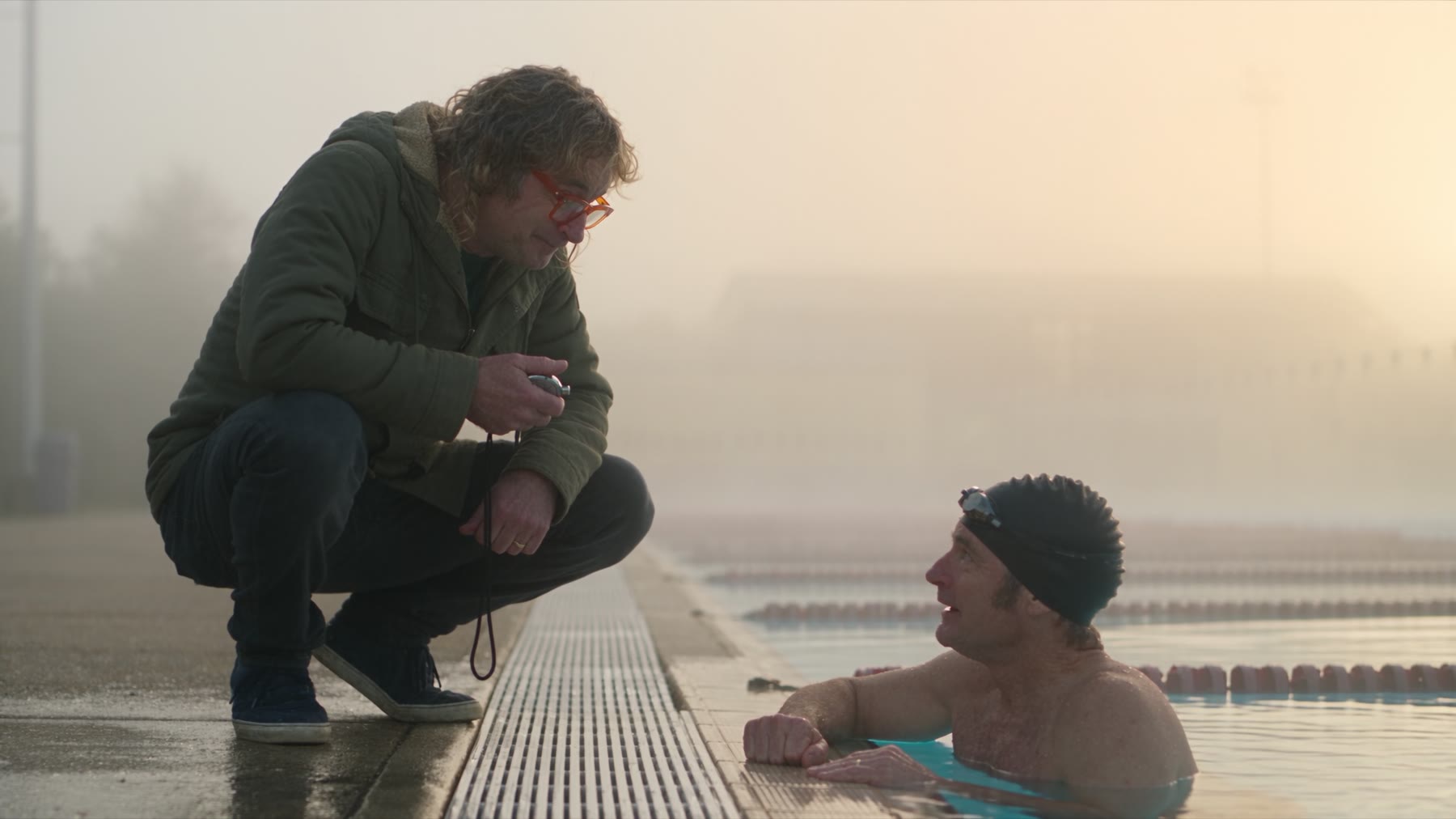
Offering 01/03
Weekly adaptive program / From $450 a month
Online coaching for triathletes, beginner through professional, wherever you train. A weekly adaptive program and all the conversations you’d expect over a season.
How it runs
I write your program week by week, season by season, with both pillars built in from day one. We talk often. I read your sessions. We adjust to real life, not to the plan on paper.
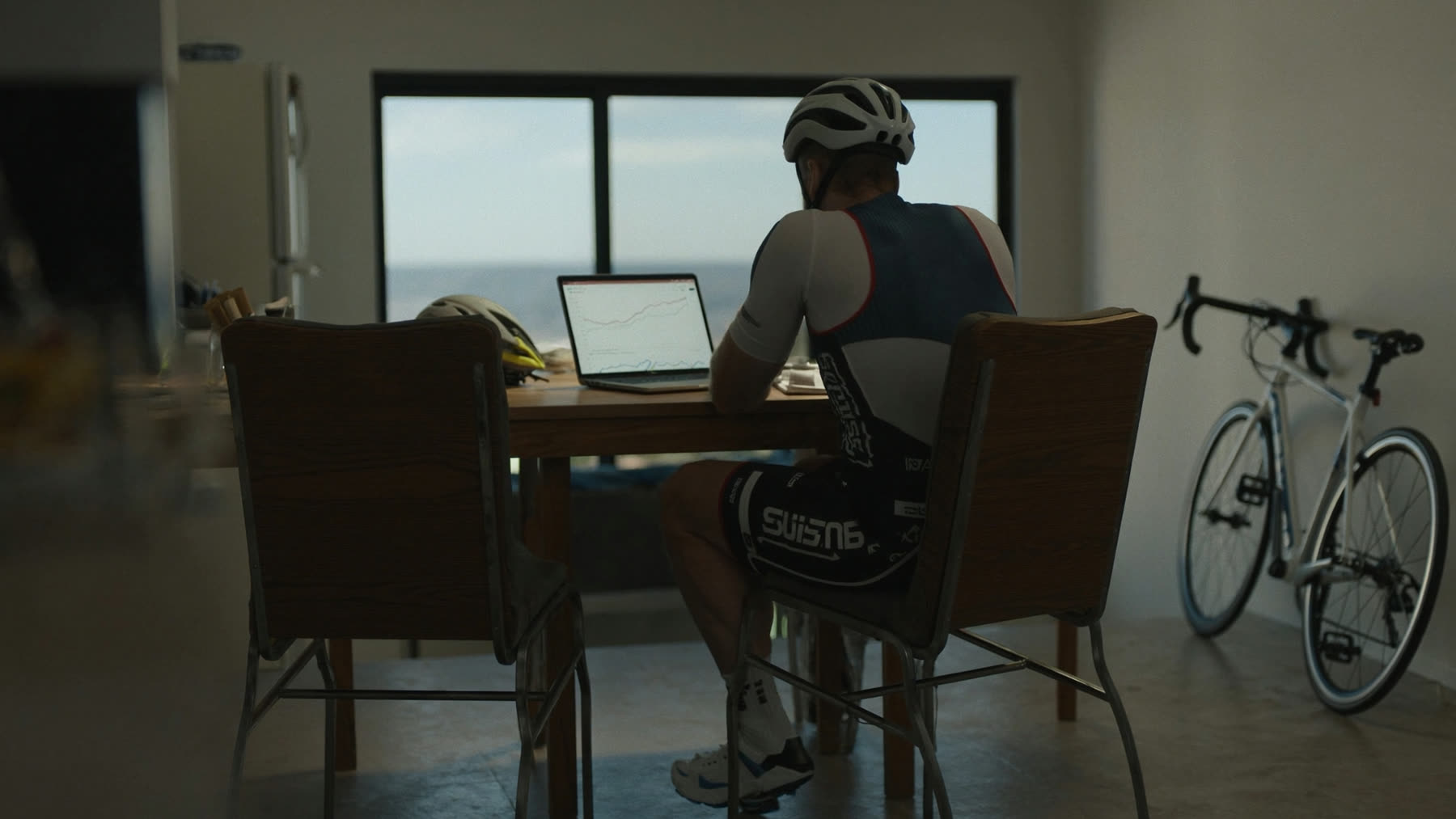
Offering 02/03
90-minute video call / Written follow-up
You are training yourself, or working with a coach already, and you want an honest second set of eyes. Good for a reset between blocks.
What you leave with
A clear picture, a small list of adjustments you could make tomorrow and, if it would help, a written note you can share with your coach.
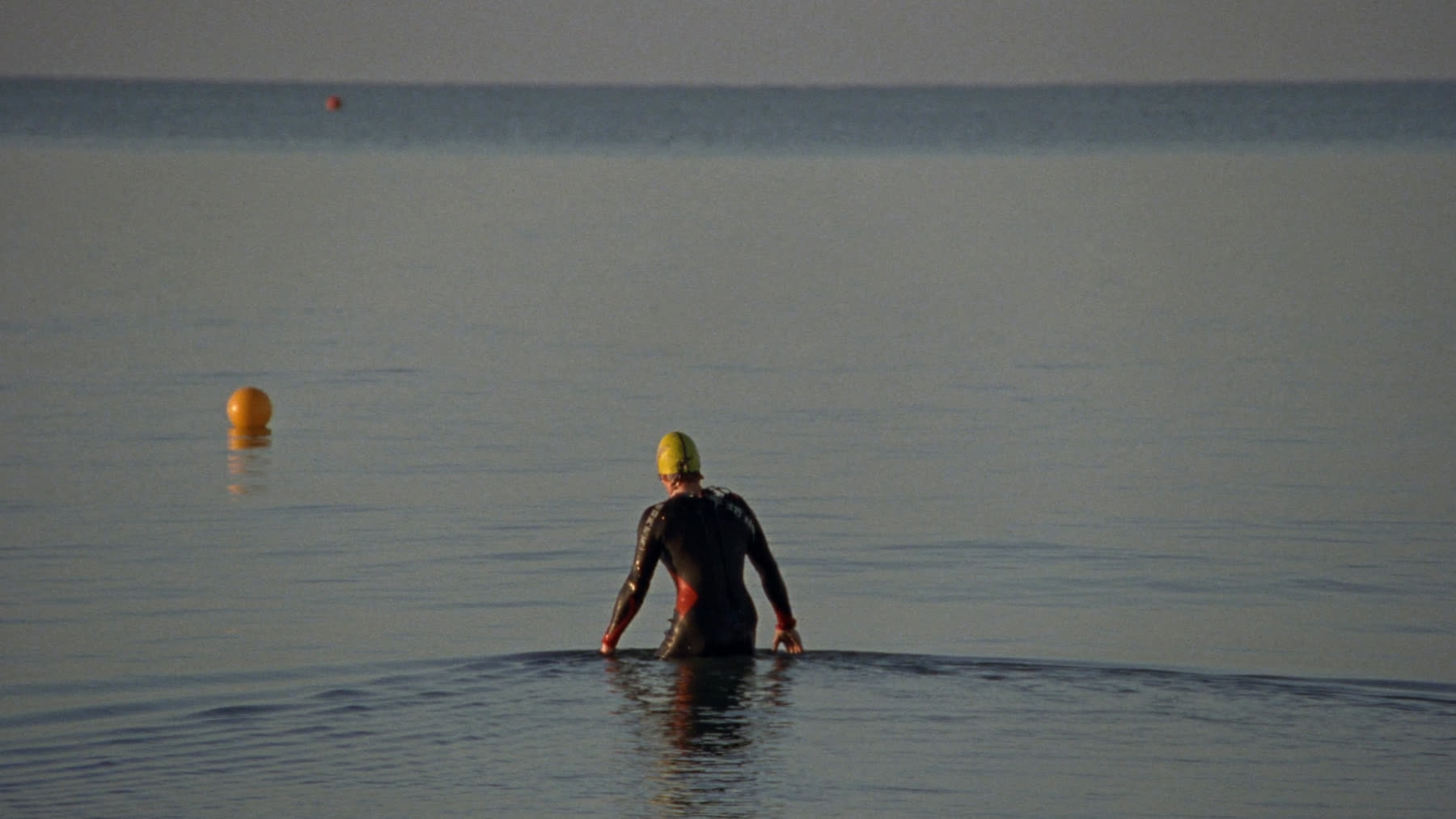
Offering 03/03
90-min video session / Recorded practices
For athletes, coaches and people outside sport, drawing on hypnotherapy and strategic psychotherapy.
What we work on
Pressure, attention and fear. It is not medical treatment and it is not a substitute for clinical care. It sits alongside it, quietly.
How it starts
Tell me what you are working on, and what feels stuck. I will point you to the right starting place, even if that starting place is not with me.
A few kind words
01.
Tell me what you are working on, and what feels stuck. I read every one, and I write back personally, usually within a couple of days.
02.
If we’re a fit, we’ll find a way. If not, I’ll say so, and point you somewhere useful.
03.
Your sessions, your life, your calendar. No cookie-cutter blocks, no AI-written weeks. Both pillars, from day one.
Two pillars, six ways in
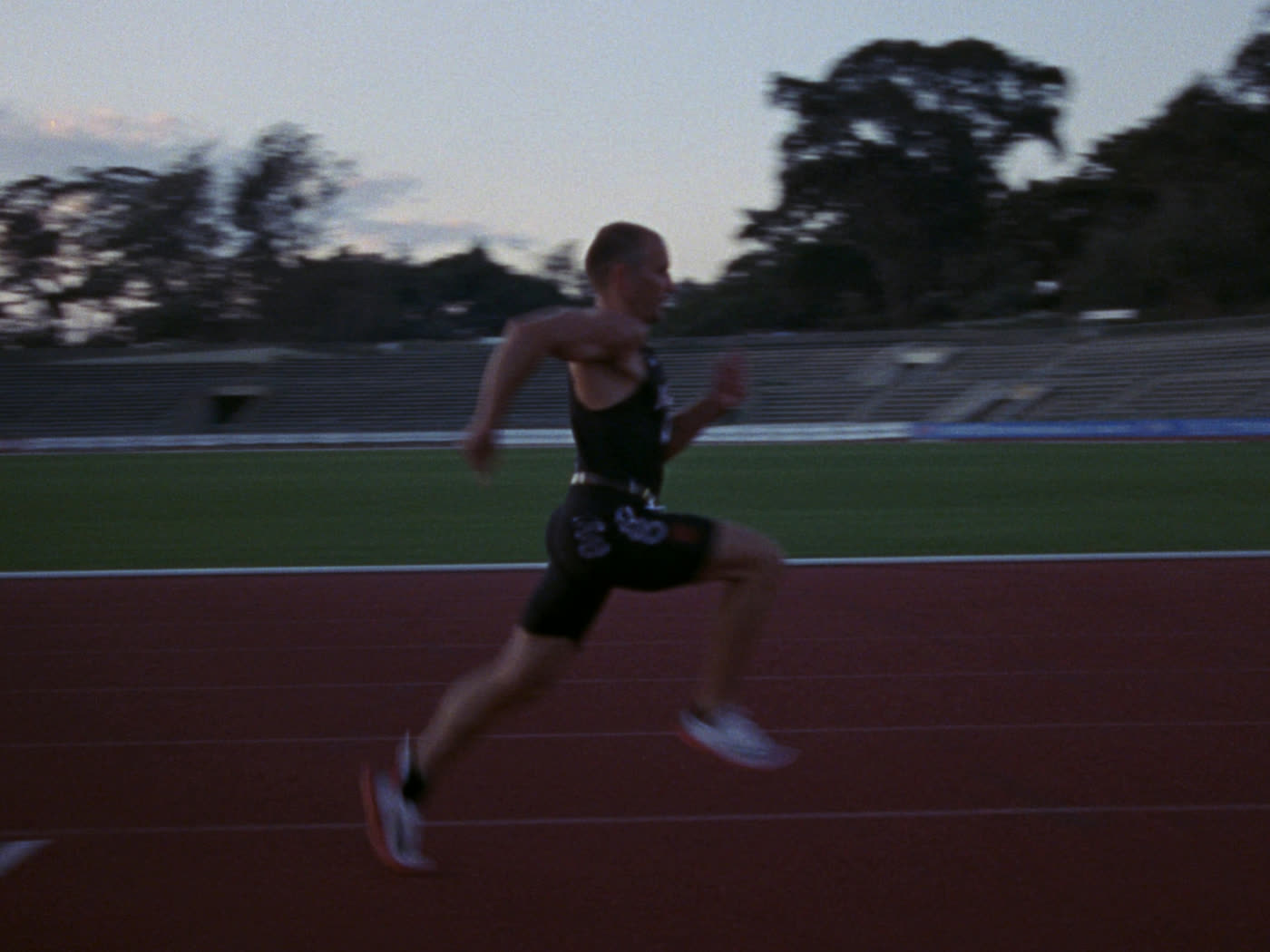
Physical / 01 / The first layer
Most endurance athletes skip this, and pay for it later. You need a short, sharp top end before you earn the right to hold a pace for a long time. Ten minutes of sharp work in a week can change how a whole block feels by the end of it.

Physical / 02 / The middle gear
Once you have a top end, you learn to hold the fast end of easy for longer. It lives just under threshold. This is the pace you will race most of your kilometres at, and the body adapts well to it when the work is consistent and the recovery is honest.
Physical / 03 / The engine underneath
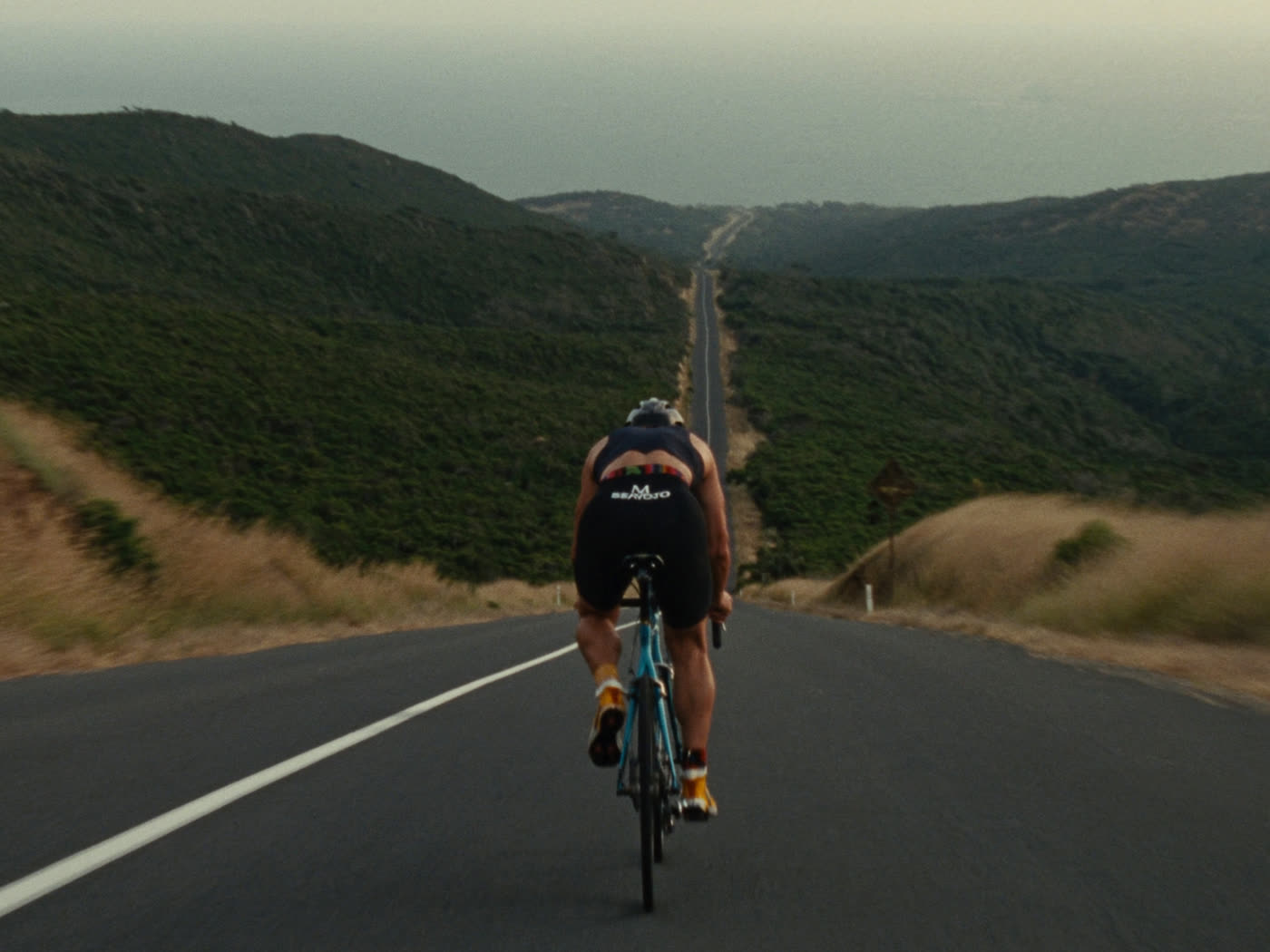
The quiet layer. Long, slow, steady. This is what lets you race a long day without falling off it, and it is what keeps you healthy for another year of training. Years, not weeks. Patience.
Mental / 01 / You are what you practise
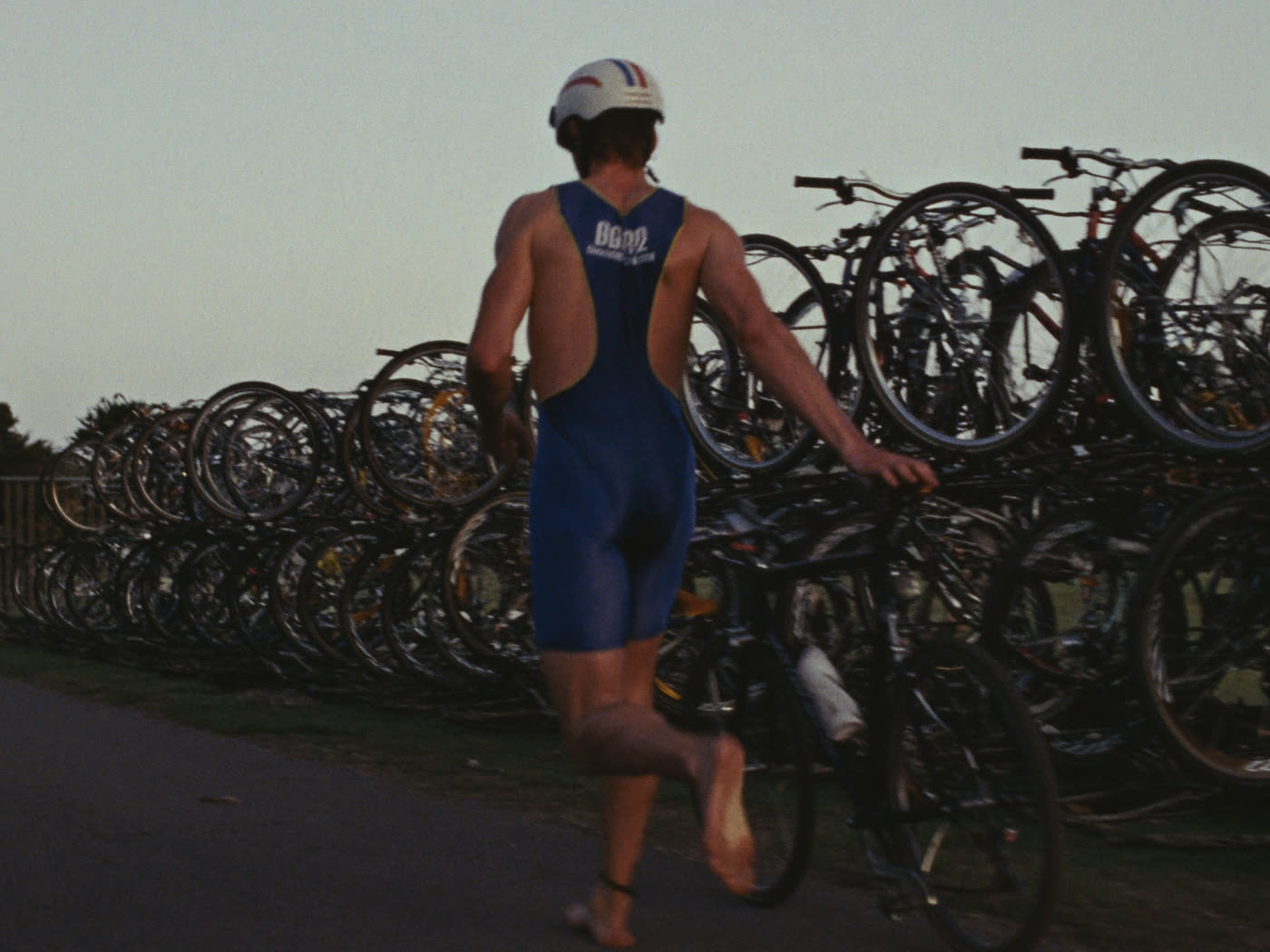
Whatever you repeat in training becomes what you are on race day. So we pay attention to what you are actually repeating. Not the plan, the reality. The work here is to notice, then to change what you rehearse.

Mental / 02 / Beyond surviving it
There is a version of endurance sport that is all grimace and gritted teeth, and it will get you to the finish line for a while. Thriving is the sum of the small things done kindly. We work on them deliberately, and the work compounds in a way nothing else does.
Mental / 03 / The friend, not the enemy
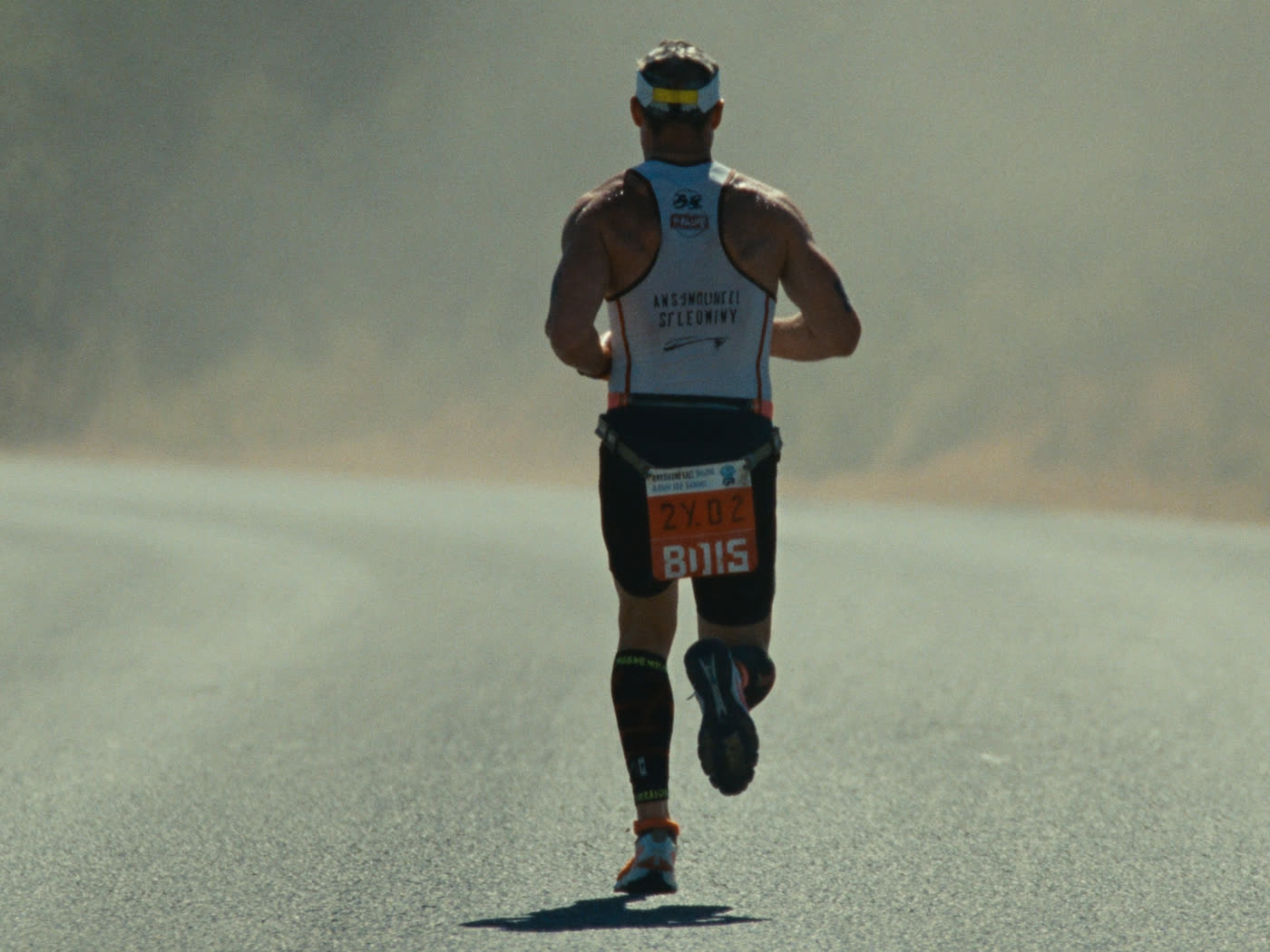
You cannot avoid what you do not understand. So we get curious about pain and discomfort instead of bracing against it. The shift most athletes describe is from running from the feeling, to sitting next to it.
Writings
Slow writing on training, the mind and the things I’m quietly working on.
Podcast
Long conversations, mostly about the inner game.
Latest episodes
FAQs
Triathletes, beginner through professional. First-timers are welcome, and so are people coming back for another year of honest work.
Weekly programming built around your life, ongoing check-ins by message and calls scheduled when they’re useful. There is no minimum commitment; you can stop anytime.
Yes. The Athlete Review Session is a 90-minute video call. You share recent training, we look at where you are and where you’re heading and you get a written follow-up note.
It draws on clinical hypnotherapy and strategic psychotherapy, applied to sport. It is not medical treatment and it is not a substitute for clinical care. It sits alongside it, quietly.
One-to-one coaching is from $450 a month. An Athlete Review Session or a Mental Performance session is $480. Prices are in Australian dollars. Write a line about what you’re working on and I’ll tell you what fits.
Who you’ll work with
“I’m less interested in making people fast, and more interested in making them the kind of athlete who stays, healthy, curious and in it for the long arc.
You’ll hear back from me, not an assistant.”
Grant Giles
Coach / Writer / Host
“The athletes who last aren’t the most talented. They’re the ones who learn to enjoy being uncomfortable, and to be kind to themselves about it.”
Grant Giles
From a coaching notebook.
The letter
Slow writing on training, the mind and the things I’m quietly working on.
Subscribe
Reply within a couple of days
Small roster
You hear back from Grant


